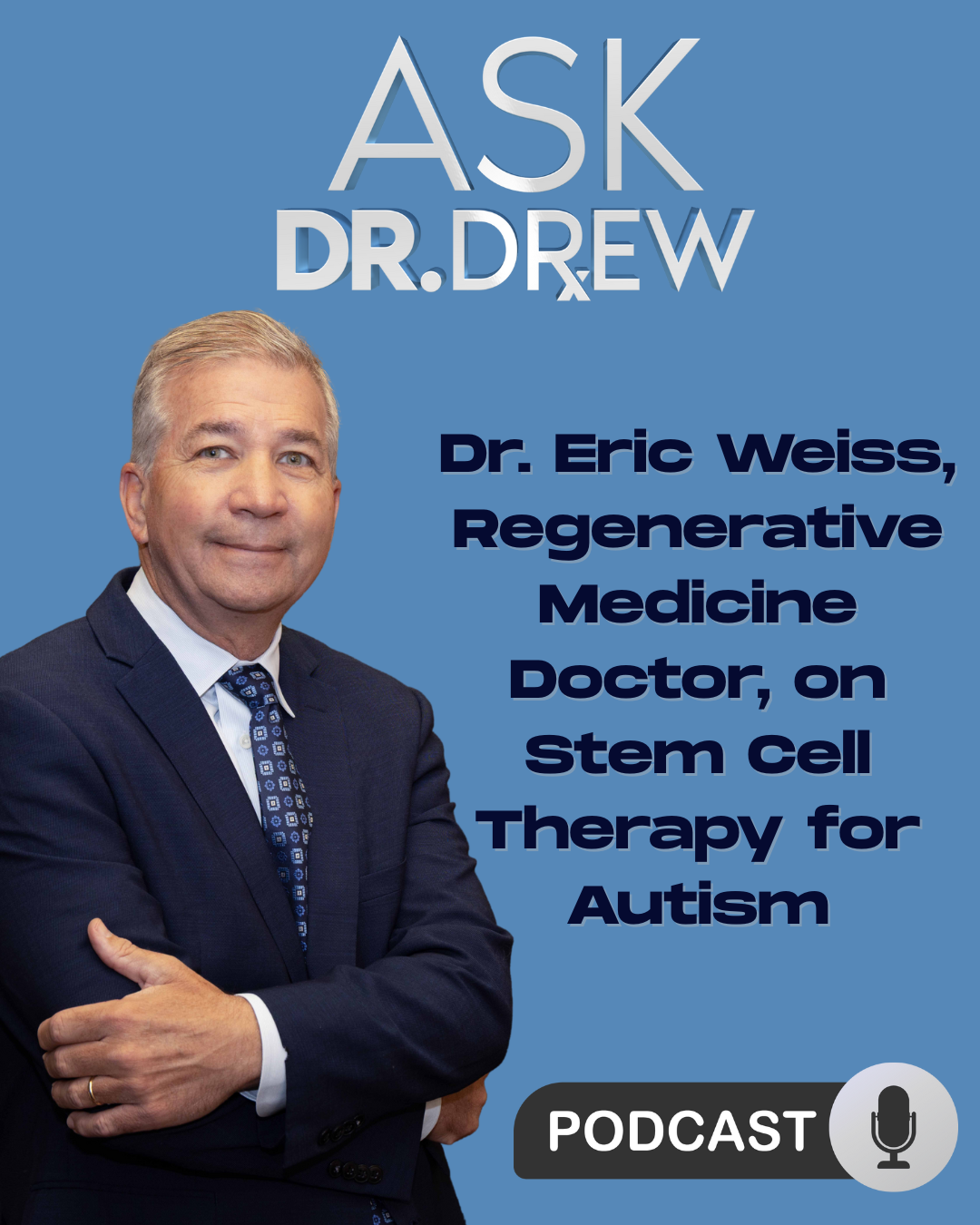

Dr. Weiss uses umbilical cord stem cell therapy to treat both children and adults with a wide range of health concerns.
Founder of NFSC
Our mission is to provide cutting-edge, evidence-based stem cell therapy to individuals with autism and other neurological, autoimmune, and inflammatory conditions.
Eric Weiss, MD, is a board-certified physician in Plastic and Reconstructive Surgery. A Veteran and former U.S. Navy Commander, Dr. Weiss is a regional leader in advanced regenerative medicine. He offers cutting edge therapy to help many chronic conditions utilizing umbilical cord blood stem cells. His work focuses on helping the body heal many chronic and inflammatory conditions.

Our team of highly skilled and experienced medical professiona to providing top-quality healthcare with compassion and precision.

We utilize cutting-edge medical technology and modern treatmen to ensure accurate diagnoses and effective care for all patients.
Dr. Weiss is particularly passionate about the use of umbilical cord stem cells to treat autism, a mission that hits close to home. His son, Marston, is on the autism spectrum. Marston received several rounds of umbilical cord stem cells—with remarkable and lasting improvements.
“ I believed deeply that the brain has the ability to heal itself—I just had to find a way to unlock that potential. I’ve always felt this was the key to making Marston whole.”
— Dr. Eric Weiss
This personal experience fuels Dr. Weiss’s professional mission: to help restore health and wholeness to others using the healing power of stem cells.
What Are Umbilical Cord Stem Cells?
Umbilical cord stem cells are rich in powerful healing agents that help the body repair and regenerate itself. These stem cells are uniquely capable of:
These cells do not just treat symptoms—they target underlying inflammation and tissue damage, offering a promising approach to treating a variety of chronic conditions.


Umbilical cord blood contains powerful cells that help optimize the body’s healing capacity. These cells actively seek out inflamed, damaged, or aging tissues and secrete healing signals to:
Research-backed studies show that umbilical cord stem cell therapy may help treat a wide range of conditions in both children and adults, including:
Educating Marston shares the story of a family’s devotion, determination, and commitment to help Marston live the best life. You will be educated on the autism spectrum, the therapies to help, and inspired to love and respect those living on the autism spectrum and the families that are devoted to them.
Listen to the interview with Christine Weiss earned a BA from Florida State University in Food and Nutrition, and her husband Eric Weiss, a board-certified plastic surgeon, earned a BS in Chemistry from Davidson College and an MD from Duke University. Listen to Postcast »

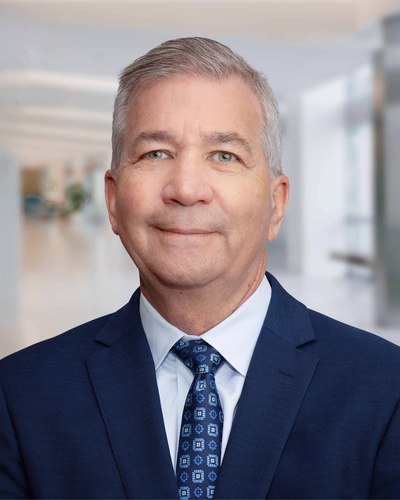
Board Certified Plastic Surgeon
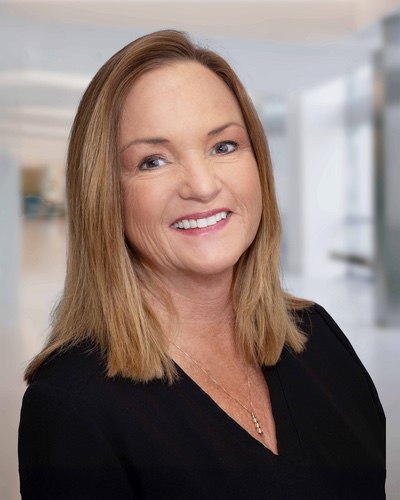
Registered Nurse
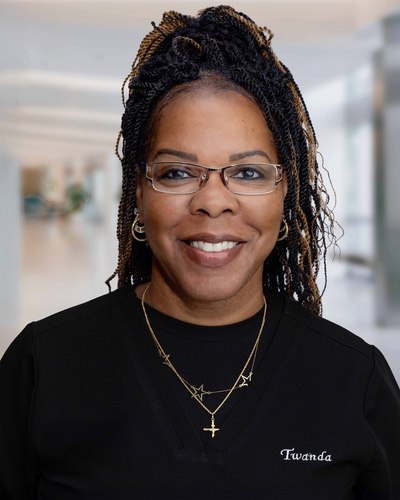
Practice Manager
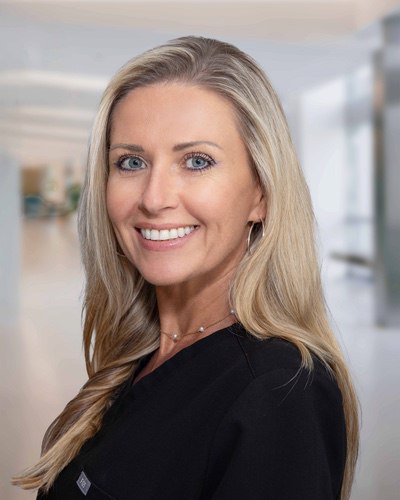
Patient Coordinator
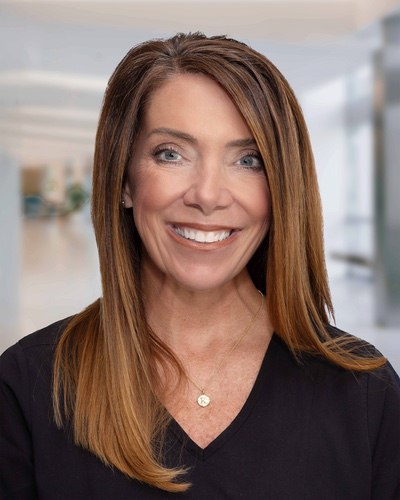
Patient Coordinator
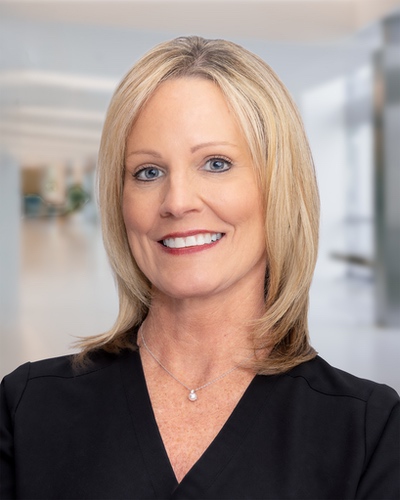
Patient Coordinator
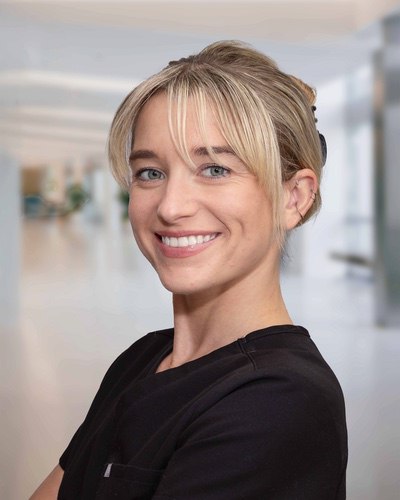
Patient Coordinator
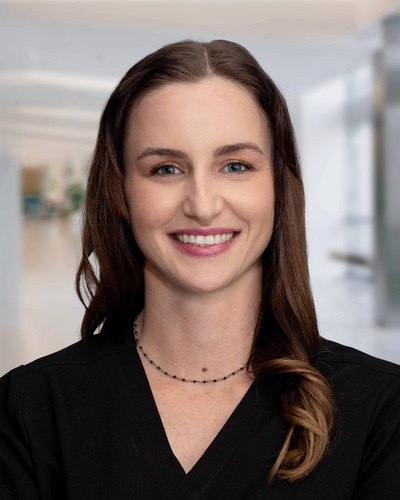
Patient Coordinator
EXCELLENT Based on 58 reviews
 Posted on Google
 F. OI just want to start off by thanking Dr.Weiss and his team at North Florida Stem Cells. I am truly grateful for all your support, professionalism, and care. I flew in from Canada with my son last June. Although i have yet to reply to your emails sharing my sons experience and progress, i promise i will. My son has gained speech through stem cell therapy, i finally have gotten to hear his beautiful voice. He understands so much more, he can answer yes and no questions and request! Although we have fallen off his strict diet, he eats all home-cooked meals and no longer a picky eater! And most importantly, thank you for responding to my text message last this evening Dr. Weiss, you helped me when i had no one else to turn too. My son was in pain today from constipation, and what you recommending helped him tremendously. He fell asleep tonight within 5 minutes 🙏🏻 my eyes are filled with tears, happy tears. God bless you! You will absolutely see us back for round 2Posted on Google
 Shombree Jackson2 rounds of stem cells with FTM done with Dr.Weiss and it has significantly helped our autistic son.Posted on Google
 Abelina YadenWe took our 2.5 year old son, who is nonverbal & recently diagnosed with autism to see Dr. Weiss for a stem cell procedure. It has been only a month since the procedure and we are already seeing some huge improvements in our son. He is listening so much better than before. He is making eye contact, engaging with us, following simple directions like throwing his own diaper away and taking his hamper of dirty clothes to the laundry room! He is even helping me switch the laundry. He seems much more calm and definitely more patient than before the procedure. We can now take him outside without him running off down the street or towards the pond! He stays next to us and holds our hand! He is also trying to say more sounds/words! This is the first round of stem cells and we can’t wait to go back and do a second round! We’re excited to see what the next coming months will bring for our family. Dr. Weiss and his staff are truly amazing.Posted on Google
 Scott CullumWonderful kind caring Doctors and nurses. Grace stop wetting the bed immediately after the first round of stem cells , her eye contact and social participation improved immensely. She was is now able to take long flights without her previous disruptive behaviour. After the second round, all the above improvements have grown. Her limited speech is clearer now and she talks in context and unprompted. We have started Leucovorin and Planning a third round of Stem Cells for the near future.Posted on Google
 Sarah NazirI wanted to share a quick update since my daughter Eliana stem cell treatment in September 2025. It has been approximately two months since she has the treatment and we have been encouraged by positive Steps that she has made, especially with regard to her speech and cognitive development. We are truly grateful for the Care and support and professionalism from Dr Weiss and his team throughout this process. The stem cell therapy was explained to us and Dr Weiss took the time to explain the process and how it works …while we know every journey is unique seeing these changes in my daughter has given us renewed hope and appreciation for the work that you do …..thank you very much!!! Sincerely, Sarah NazirPosted on Google
 David RaghuDr Weiss is the best doctor we meet, he explained everything very well and give us a nice hope , we are looking forward for the results.Posted on Google
 Mindy CThe entire staff at North Florida Stem Cells is phenomenal. My husband had stem cell injections in both knees and his ankle. Within one week, there was a noticeable reduction in inflammation in his legs. After 1 month, his mobility is much better. We are hopeful for continued improvement and are considering a second injection in about 6 months. We think Dr. Weiss is exceptional and are thankful for his knowledge and his willingness to help children and adults with stem cell therapy.Posted on Google
 Jones FamilyDr. Weiss and the team at North Florida Stem Cells Clinic are truly exceptional. From the moment you walk in, you feel cared for, heard, and supported. Dr. Weiss is deeply knowledgeable and compassionate — his dedication to helping patients and families through stem cell therapy is remarkable. His innovative approach, especially in the treatment of autism, offers real hope where traditional options may have fallen short. He takes time to explain every step of the process and genuinely cares about each patient’s progress and well-being. The entire experience has been professional, uplifting, and encouraging. I’m so grateful for Dr. Weiss’s commitment to advancing this life-changing therapy and giving families new possibilities for healing and growth.

Request a consultation to discuss any questions for you or for you child.
The entire process is relatively quick and straightforward. The IV infusion of umbilical cord blood stem cells typically takes about 30 to 45 minutes. Patients are observed briefly afterward to ensure they are stable and comfortable.
The stem cells are delivered through a simple intravenous (IV) infusion. This method allows the cells to circulate throughout the body and target areas of inflammation or injury. The cord blood is shipped frozen from a trusted FDA-compliant facility, and arrives on dry ice. It is carefully thawed and infused within minutes to ensure maximum cell viability. Because it is a transplant of living tissue, strict handling and timing protocols are followed.
The stem cell infusion is a straightforward outpatient procedure that typically takes about one hour. Once the IV line is securely placed, a saline solution is administered while the umbilical cord stem cells are gently brought to room temperature — a process that takes a few minutes. The stem cells are then administered through the IV in a single infusion. For certain conditions, such as arthritis, direct joint injections may also be an option, which can be discussed with Dr. Weiss.
For pediatric patients or others who may be anxious about the IV placement, sedation is available at no additional cost. The most commonly used medications are Ketamine and/or Versed (Midazolam), administered via a quick intramuscular injection. These medications have excellent safety profiles and provide both sedative and amnestic effects, helping make the experience smoother and less distressing for children and families alike. Dr. Weiss will discuss all options with you during your consultation to ensure your child’s comfort and safety throughout the process.
Most patients tolerate stem cell treatment very well. According to current data, approximately 97% of patients experience no adverse reactions. A small percentage may experience mild, temporary side effects such as headache, fatigue, rash, low-grade fever, upset stomach, flu-like symptoms, or minor discomfort at the injection site. In a small percentage of children with autism, a temporary increase in hyperactivity or transient aggressive behavior may occur following treatment. This typically resolves within 2 to 12 weeks, returning to baseline—and in most cases, leading to noticeable improvement beyond the initial behavior. Dr. Weiss and his team will monitor you closely to ensure safety and comfort throughout the process.
Many patients begin to experience noticeable improvements within 10 to 14 days following treatment. In many cases, the benefits continue to build gradually over the following weeks to months, as the stem cells continue their regenerative and anti-inflammatory effects within the body. It’s important to note that individual results can vary, and Dr. Weiss will discuss expected outcomes based on your specific diagnosis and treatment goals.
The timing and need for additional treatment varies depending on your specific condition, the severity of symptoms, and your individual response to the initial infusion. Some patients may experience lasting benefits after just one treatment, while others—particularly those with chronic or progressive conditions—may require a series of treatments spaced out over time for optimal results. During your consultation, Dr. Weiss will evaluate your medical history and therapeutic goals to help determine the best course of action.
Yes, certain medications can interfere with the effectiveness of stem cell therapy and should be paused before treatment. Patients are advised to stop taking non-steroidal anti-inflammatory drugs (NSAIDs)—such as ibuprofen, naproxen, or aspirin—at least one week prior to the infusion, as these medications can suppress the body’s natural healing and inflammatory response that stem cells rely on to function optimally.
Additionally, steroid medications (such as prednisone) and arthritis medications (DMARDs) like Enbrel, Humira, or similar agents should be discontinued at least two weeks before treatment, unless otherwise directed by your physician. These drugs can impair immune signaling and reduce the therapeutic activity of the infused stem cells.
After the infusion, it’s important to continue avoiding these same medications for a period of time—two to four weeks—so that the stem cells can integrate, migrate, and begin their regenerative work without interference. Please consult with Dr. Weiss prior to treatment for specific medication guidelines based on your condition and current prescriptions.
Stem cell treatment is not recommended for individuals with active cancer or infections. These conditions can interfere with the safety and effectiveness of the therapy
Yes, you can resume normal daily activities shortly after treatment. We encourage maintaining an active lifestyle, including regular exercise and therapy.
Many parents ask if they can use the cord blood or tissue they personally banked at birth for their child’s treatment. While this is your own stored biological material, unfortunately, we are currently unable to use banked umbilical cord blood or tissue for stem cell therapy.
Most private cord blood banks will not release stored cells for conditions like autism, as this use is not FDA-approved. For safety and compliance reasons, our treatments must use stem cells from FDA-regulated, rigorously screened donor sources.
We understand how important this option may be to families, and we will continue to monitor regulatory developments. If it becomes feasible and safe to use banked cells in the future, we will do our best to make it available.